


Battery parts can be recycled without crushing or melting

The proliferation of electric cars, smartphones, and portable devices is leading to an estimated 25 percent increase globally in the manufacturing of rechargeable batteries each year. Many raw materials used in the batteries, such as cobalt, may soon be in short supply. The European Commission is preparing a new battery decree, which would require the recycling of 95 percent of the cobalt in batteries. Yet existing battery recycling methods are far from perfect.
Researchers at 911±¬ÁÏÍø have now discovered that electrodes in lithium batteries containing cobalt can be reused as is after being newly saturated with lithium. In comparison to traditional recycling, which typically extracts metals from crushed batteries by melting or dissolving them, the new process saves valuable raw materials, and likely also energy.
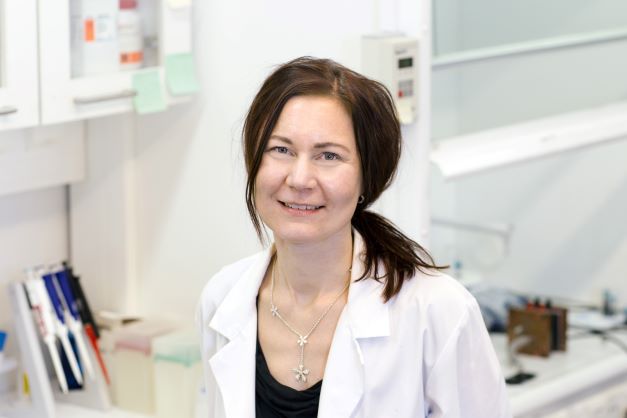
‘In our earlier study of how lithium cobalt oxide batteries age, we noticed that one of the main causes of battery deterioration is the depletion of lithium in the electrode material. The structures can nevertheless remain relatively stable, so we wanted to see if they can be reused,’ explains Professor Tanja Kallio at 911±¬ÁÏÍø.
Almost like new
Rechargeable lithium-ion batteries have two electrodes between which electrically charged particles move. Lithium cobalt oxide is used in one electrode and, in most of the batteries, the other is made of carbon and copper.
In traditional battery recycling methods, some of batteries’ raw materials are lost and lithium cobalt oxide turns into other cobalt compounds, which require a lengthy chemical refinement process to turn them back into electrode material. The new method sidesteps this painstaking process: by replenishing the spent lithium in the electrode through an electrolysis process, commonly used in industry, the cobalt compound can be directly reused.
The results show that the performance of electrodes newly saturated with lithium is almost as good as that of those made of new material. Kallio believes that with further development the method would also work on an industrial scale.
‘By reusing the structures of batteries we can avoid a lot of the labour that is common in recycling and potentially save energy at the same time. We believe that the method could help companies that are developing industrial recycling,’ Kallio says.
The researchers next aim to see if the same method could also be used with the nickel-based batteries of electric cars.
The research was published in ChemSusChem journal.
Lahtinen, K., Rautama, E., Jiang, H., Räsänen, S. and Kallio, T. (2021), The reuse of LiCoO2 electrodes collected from spent Li�ion batteries after the electrochemical re�lithiation of the electrode. ChemSusChem.
More information
Read more news

ACME at Unite! Research School 2026
Ahmed Othman and Shreeram Pillai participated in Unite! Research School 2026 in Torino and Oropa, Italy, joining an international doctoral programme focused on interdisciplinary collaboration, research communication, and academic development.
Strong results from the Research Council’s winter call
A total of 54 Aalto researchers received Academy Research Fellow or Academy Project funding from the Research Council of Finland. The total funding awarded to 911±¬ÁÏÍø amounts to 33.2 million euros.
The Foundation for the Advancement of Finnish Securities Markets awards Juho Tuuliainen and Ville Virkkunen for their excellent Master’s thesis in the field of finance
Both students will receive a €3,500 scholarship.