


A need for nuance: three professors offer perspective through their research

How much does hype affect researchers? How does research address the complexities of the world outside academia, where human needs and behaviours can confound straightforward findings? At the Tenured Professors' Installation Talks, collected in , newly tenured professors share their story. For this article, we asked three of them to tell us about how their research fits into the world.
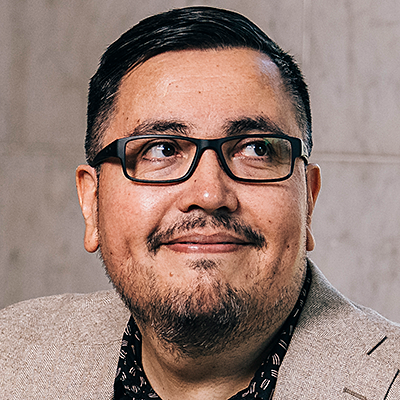
Andrés Lucero, Associate Professor, Department of Art and Media, Department of Design
‘My relationship with technology is a mix of love and hate. I recognize the potential for great designs and technological advancements, but I’m also mindful of the addiction and overuse that could negatively impact our lives. Technology needs to evolve in such a way that it doesn't get in the way of personal communications and our mental health.
In my work, I’m expected to stay up to date with all the latest technologies and gadgets. I love gadgets, but I've also lived long periods of time with no mobile phone, so there’s an interesting dynamic between my work and my personal life. Sometimes there are certain advancements that I might be sceptical about, but I still need to learn about them.
Our use of technology is personal. My interest is more in how individuals interact with technologies, and what meaning they bring to them. I follow the principle of focusing on the things that make me happy when interacting with a screen. It might sound shallow considering what’s happening in the world these days, but I hope people use technologies consciously instead of just being pulled in.’
Myrto Chliova, Associate Professor, Department of Management Studies
‘I worked for some years in the industry, but after a while you know the job and just execute – there’s not much time to be truly creative, at least in the roles I had. For me, academia was a space to be more creative and take things in directions I find meaningful. We need creativity to deal with grand social challenges such as poverty, inequality, humanitarian crises, and democratic backsliding.
There’s a lot of enthusiasm about how organisations and entrepreneurs can help with these challenges. The more you study things, the more you see their possibilities but also their limitations – which is important, because then it isn’t that easy to just tag along with the hype and say this or that will save everything. If the professor can be somewhat critical, students know that they can be critical, too. I encourage my students to create their own understanding of what they think is important.
A positive trend now is that management research encompasses a diverse range of organisations, including social enterprises, non-profits and social movement organisations. The methods have also become more varied, including interviews and ethnographies that focus on long-term processes of collective organising. These topics and methods were not as acceptable 20 years ago when I started my career in management research and teaching.’
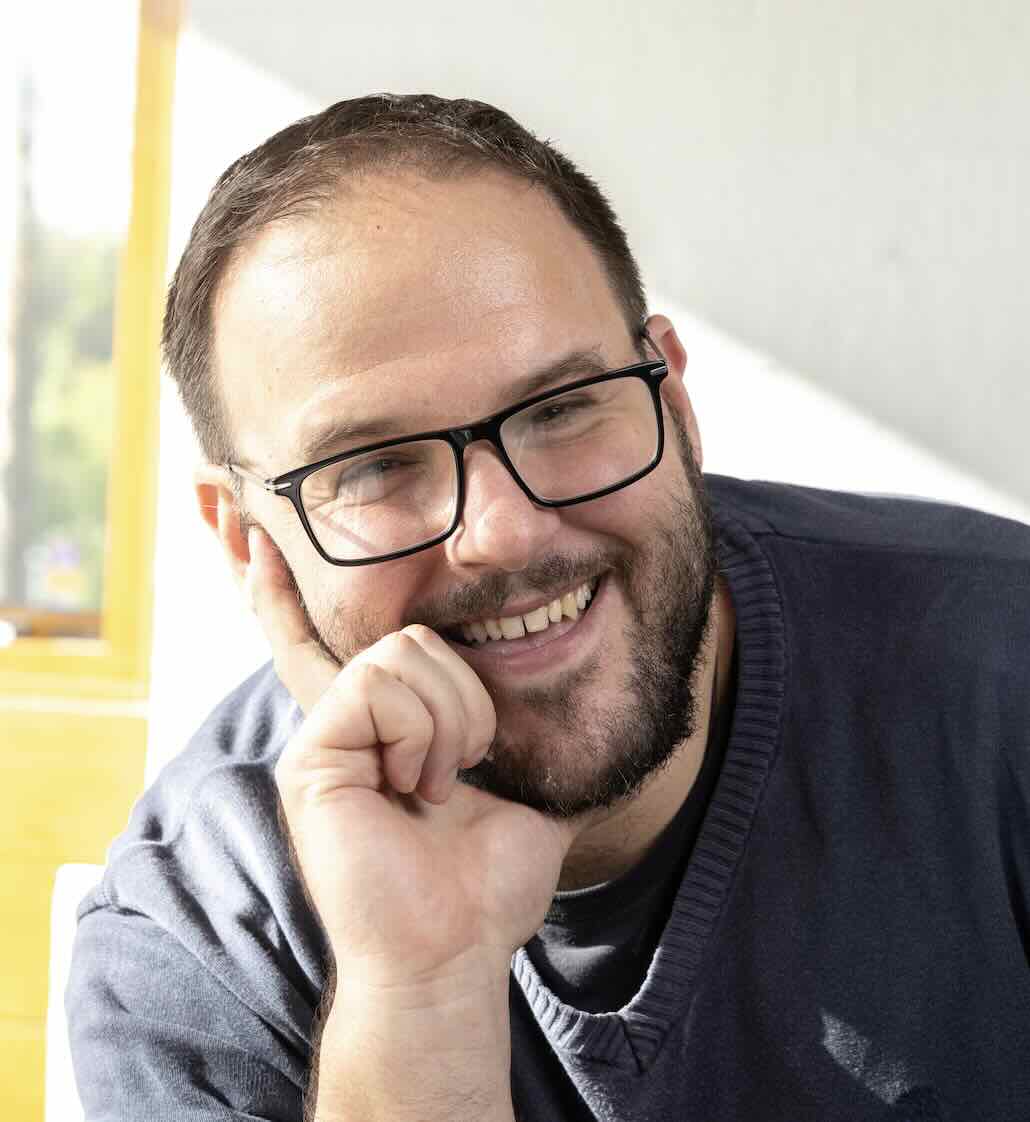
Alex Jung, Associate Professor, Department of Computer Science
‘Dating, music preferences, job searches – machine learning algorithms are now a significant part of our lives. I found my wife on a social network platform that uses machine learning algorithms to suggest profiles that match yours. If it hadn’t suggested the profile of my wife years ago, who knows what my life would look like now.
Every time you stream on YouTube or any other platform, a machine learning algorithm comes into play, suggesting the next song or movie to watch based on your past searches and preferences. However, the choices suggested by these algorithms do more than just offer entertainment – they can also impact our day-to-day lives. For example, if you're having a bad day and the algorithm recommends an uplifting song, it can shift your mood during a gloomy November day in Finland.’
This technology is powerful and has tremendous potential for good. Because of that, I want to develop a trustworthy theory of machine learning that can ensure its beneficial use in terms of human-centred aspects like privacy preservation. People often think that machine learning is a challenging and complex mathematical process that only a few can master. However, the fundamental principles of machine learning processes are a part of high school math in Finland.’
Read more news

Aalto offering free education to architects after €260 000 donation
Koulutuksen tavoitteena on täydentää erityisesti arkkitehtialan ammattilaisten osaamista vastaamaan nykypäivän tarpeita.
Unplanned network outage in Aalto network on 15 June from 10:40 to 10:50
Network now working normally
Watching the Anagama: Heat, collaboration, craft and waiting
CoDe community participates in a traditional Anagama firing at Ceramic Center Kuu, Orimattila